3 min read
What are zirconia crowns?
Zirconia crowns are metal-free and look close to natural teeth. How they're made, who they suit, and how they differ from veneers and metal-backed crowns.
Dental crowns fall into two broad groups: those with metal and those without. Zirconia crowns are made from zirconium dioxide ceramic and contain no metal at all.
They're a common choice for people with decayed teeth, or for anyone looking for a brighter, more even smile — especially on the front teeth, where appearance matters most. They are very well tolerated by the gums, and they need the same care as natural teeth.
Advantages
- Strength: zirconia is a tough material, so crowns last well.
- Appearance: its colour is very close to a natural tooth.
- No metal: a good option for people with metal allergies.
- Translucency: it doesn't cast a shadow, so the tooth looks natural.
- Gum-friendly: lower risk of gum inflammation and other gum problems.
How are zirconia crowns made?
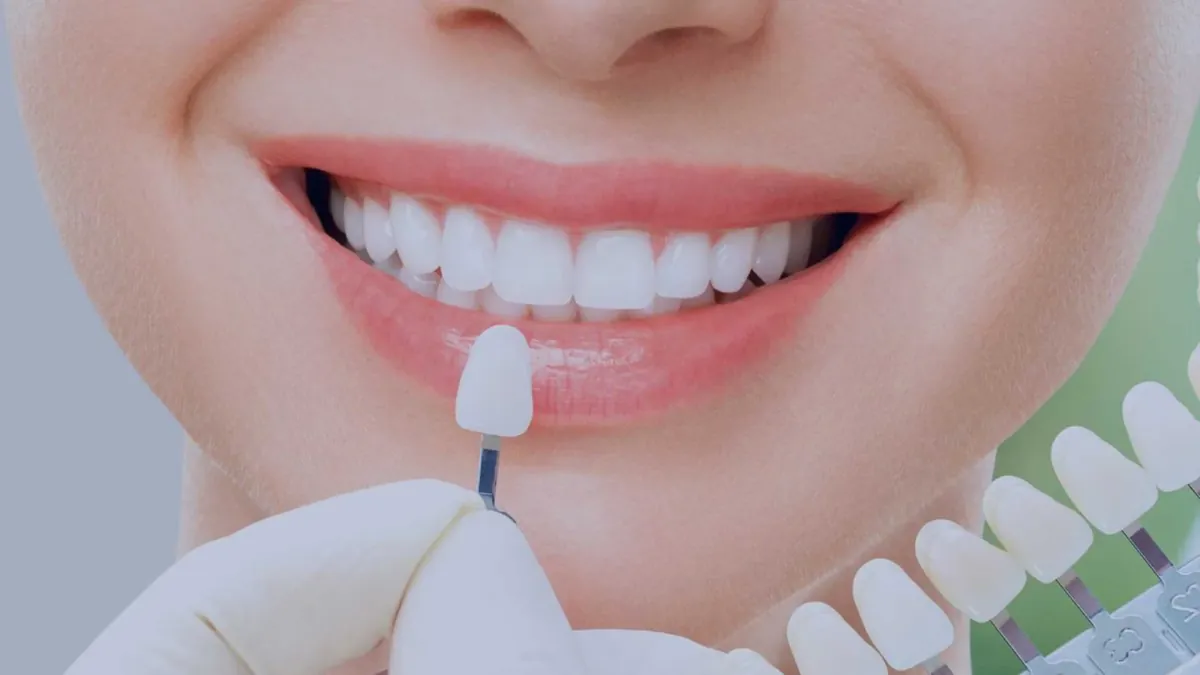
After an examination, the tooth is numbed and reduced as much as needed, and impressions are taken. The shade is chosen with you from a shade guide.
Temporary crowns protect the teeth while the final ones are made, which usually takes 3–5 days. After a try-in and your approval, the zirconia crowns are bonded in place with a special cement; it's best not to eat for half an hour afterwards. Check-ups follow at intervals your dentist sets.
Who are they for?
They suit people who aren't happy with the look of their teeth and want a more attractive smile. Under 18, the jaw is still developing, so it's usually best to wait. Common reasons for choosing zirconia:
- Decayed or broken teeth
- Gaps between teeth
- Discoloured teeth that don't respond to whitening
- Old fillings that look unattractive
- Teeth affected by gum recession
- Teeth that already have a crown or bridge
Zirconia crowns vs veneers
The main difference is coverage. A zirconia crown covers the whole tooth. A veneer covers only the front surface, which is reduced very slightly, and each veneer is bonded to its tooth individually.
Zirconia vs metal-backed crowns
The difference is what sits beneath the porcelain: zirconia in one, metal in the other. Zirconia lets light through for a natural look, while metal-backed crowns tend to look more opaque. Zirconia also sits better with the gums; the grey gumline and metal allergies sometimes seen with metal-backed crowns aren't expected with zirconia.
Do zirconia crowns turn yellow?
With good care they generally keep their colour. If they do discolour, your dentist can assess and correct it.
Is there anything I can't eat?
As with natural teeth, just be careful with very hard, sticky and acidic foods.
Can zirconia be placed on implants?
Yes — zirconia is often used for crowns and bridges on implants.
Does the treatment hurt?
It's done under local anaesthetic, and temporary crowns prevent sensitivity. Occasionally you may feel mild, short-lived sensitivity.
How long does treatment take?
If nothing else is needed, usually two appointments within a week. If the gums need treatment first, it can take longer.
How long do they last?
Mostly it depends on how you look after them: with regular care and check-ups they usually last 10–15 years, sometimes longer. Untreated grinding, biting hard objects and poor oral care can shorten their life.
This article is general information and does not replace an examination by a dentist.